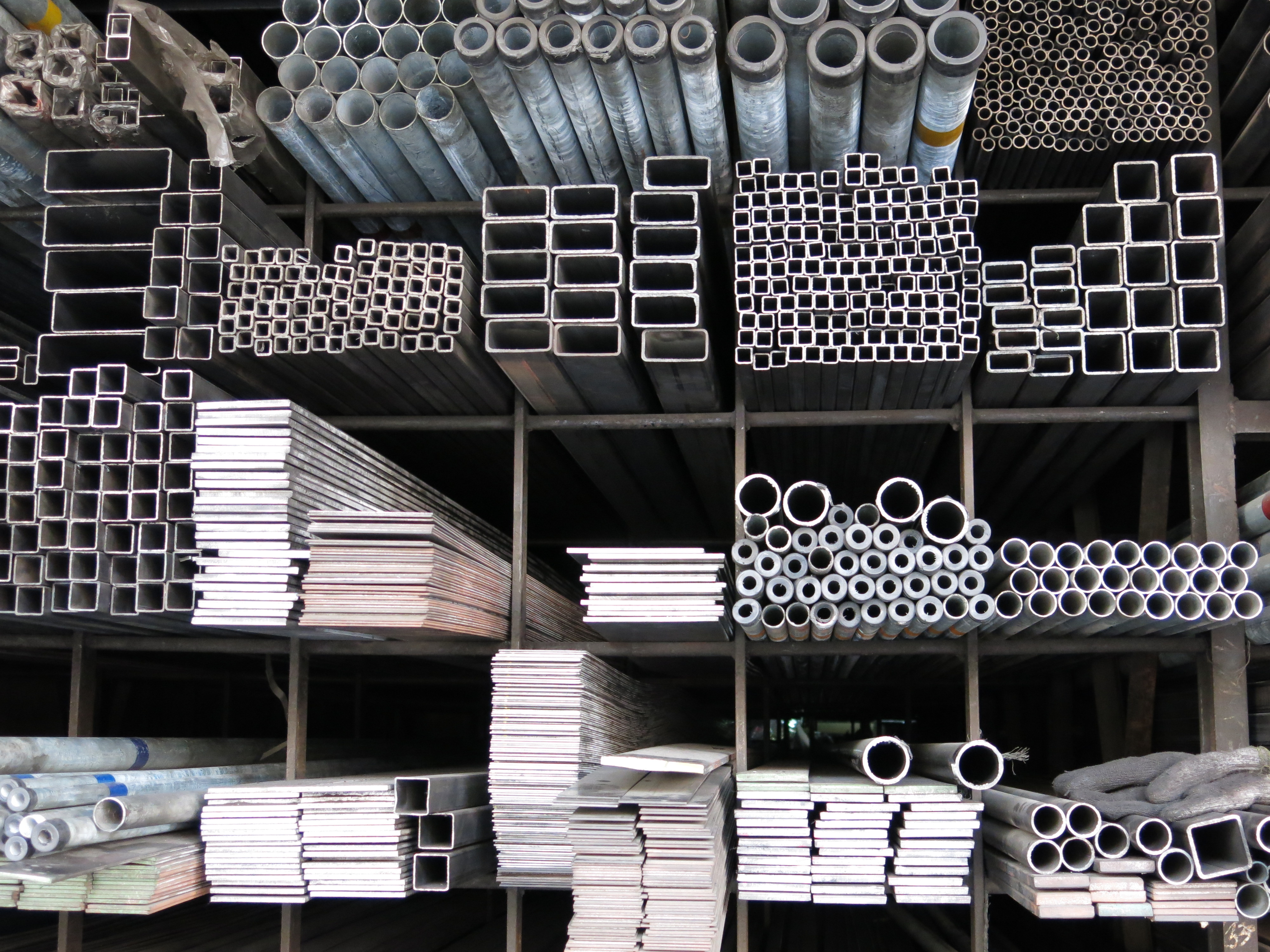
In just the first four months of 2018, among a surge in trade complaints filed by domestic steel manufacturers against foreign rivals (a frequency not seen in over 15 years), and after a lengthy investigation by the Secretary of Commerce concluding “that the present quantities and circumstance of steel imports are ‘weakening our internal economy’ and threaten to impair the national security” of the United States, President Trump has issued two presidential proclamations—adjusting the imports of certain steel products by imposing a 25 percent ad valorem tariff (the “Tariffs”) on those steel products from all countries—granted a permanent extension to the Tariffs for South Korea, Argentina, Australia, and Brazil and has extended a final temporary 30 day exemption from the Tariffs to Canada, Mexico and the member countries of the European Union, the United States’ biggest trading partner.

Co-authors: JP Vogel and Tim Fandrey
Published in Build Houston Magazine

Texas is a hot-bed for construction. In 2016, according to the Virtual Builders Exchange, Texas was second only to New York in construction expenditures, spending $44.4 billion. And there is no sign that the proliferation of construction is slowing down.  New housing starts are up in Texas as a result of an influx of new employees moving to the area. The U.S. Census Bureau reported that Texas has experienced the largest population growth of any state between 2010 and 2016. This, in turn, increases demand on civil infrastructure thus requiring more construction. This explosion of growth in construction spending has taken place without consideration given to the rebuilding efforts arising from the aftermath of Hurricane Harvey.

Construction lawyers routinely deal with delay claims. I have presented or defended more of them than I can remember.  That is why I was curious when, earlier this year, I received a series of email invitations to presentations on the use of “concurrent delay” as a defense to contractor or owner claims for delay damages on construction projects.  I’ve written about the subject in the past and wondered what, if anything, had changed.

Co-authors: Jeff Leach, Tim Fandrey.
Published in Pipeline Magazine and Build Houston Magazine.

As a result of newly enacted Texas Senate Bill 1289, buying American iron and steel is now a requirement on certain public infrastructure projects in Texas. Promoted by President Trump, passed by the Texas Legislature in May and signed in to law this summer by Governor Greg Abbott, the new law, effective Sept. 1, 2017, requires that iron and steel be purchased from an American supplier unless the American supplier price is more than 20 percent higher than the price of the cheaper foreign importer. Foreign iron and steel may also be used if American suppliers are not prepared to supply a project, or if there is a compelling state interest that warrants the use of a foreign manufacturer’s steel.

Co-author: Michael Kelsheimer

Whatever your political views, undocumented workers and the businesses that knowingly or unknowingly employ them are coming under the microscope.

If you compile recent headlines, you’ll know the President has implemented two immigration bans, is challenging so-called “Sanctuary Cities” that do not help Federal immigration enforcement, has instructed government agencies to become more aggressive in enforcement of immigration laws, and is already reviewing proposals to strengthen the border wall.  On top of this, the E-Verify program for verifying worker status is likely to become mandatory.

Further, employers who try to do it right by using the H-2B program have been dealt a stiff blow.  The Returning Worker Program, which dramatically extended the stingy 66,000 nationwide cap on H-2B non-immigrant workers, has not been renewed.  The H-2B cap has already been reached for 2017, so the hope for help there is gone.

Texas law imposes certain implied warranties on the sale of goods, regardless of whether the warranties are mentioned in the contract.  In particular, Texas law creates the warranty of “merchantability” and the warranty that the goods are “fit for a particular purpose.”

Get the project information up front

You should ask your customer for the owner’s name and address, the location of the project, a copy of the payment bond (if any), and the general contractor’s name and address (if you are a second tier subcontractor or supplier).  Having this information at the outset will help you quickly send out bond and lien notices if the new customer falls behind on making payments.

Non-competes are governed by different rules from other contracts.  Courts limit non-competes to certain circumstances, such as when an individual has received confidential information, goodwill, or specialized training; even then, the restrictions on competition must be “reasonable.”  However, when it comes to determining the applicability of the Federal Arbitration Act, the United States Supreme Court recently held non-competes should be treated the same as any other contract